About
I learned about judgment by getting it wrong at Electrolux.
I help leaders use judgment when AI offers an answer. I’m Malaysian, based in Singapore, and the Founding Director of AIR APAC.
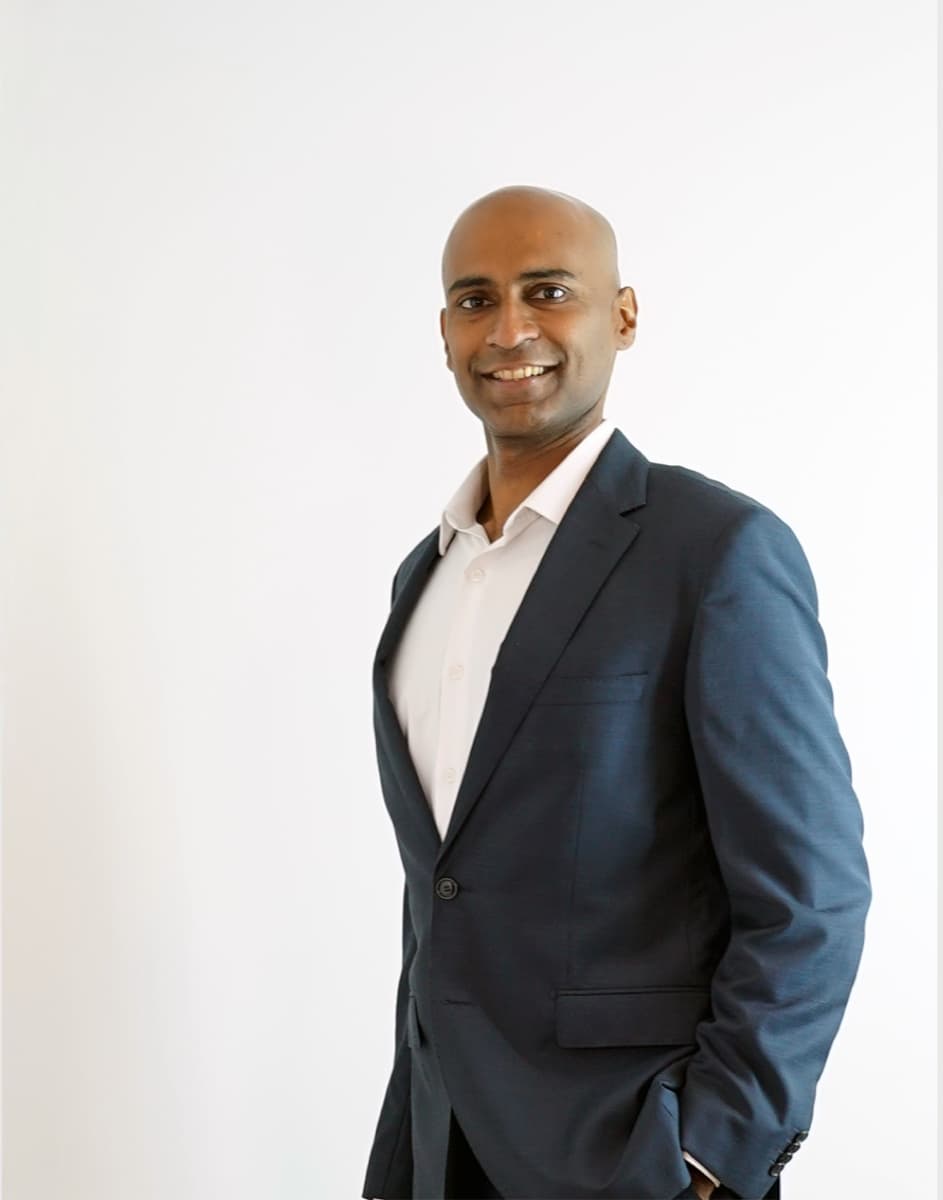
25 years in advisory and leadership across four regions.
In my own words
I grew sales by 241 per cent. I was dismissed within the year.
At twenty-nine, I delivered 241 per cent sales growth at Electrolux. I was dismissed within the year because the result had broken the team that produced it. I had treated the numbers as proof that I was doing a good job. They were not. I still move too fast and focus too much on outcomes. I try to notice earlier and listen longer.
What that became
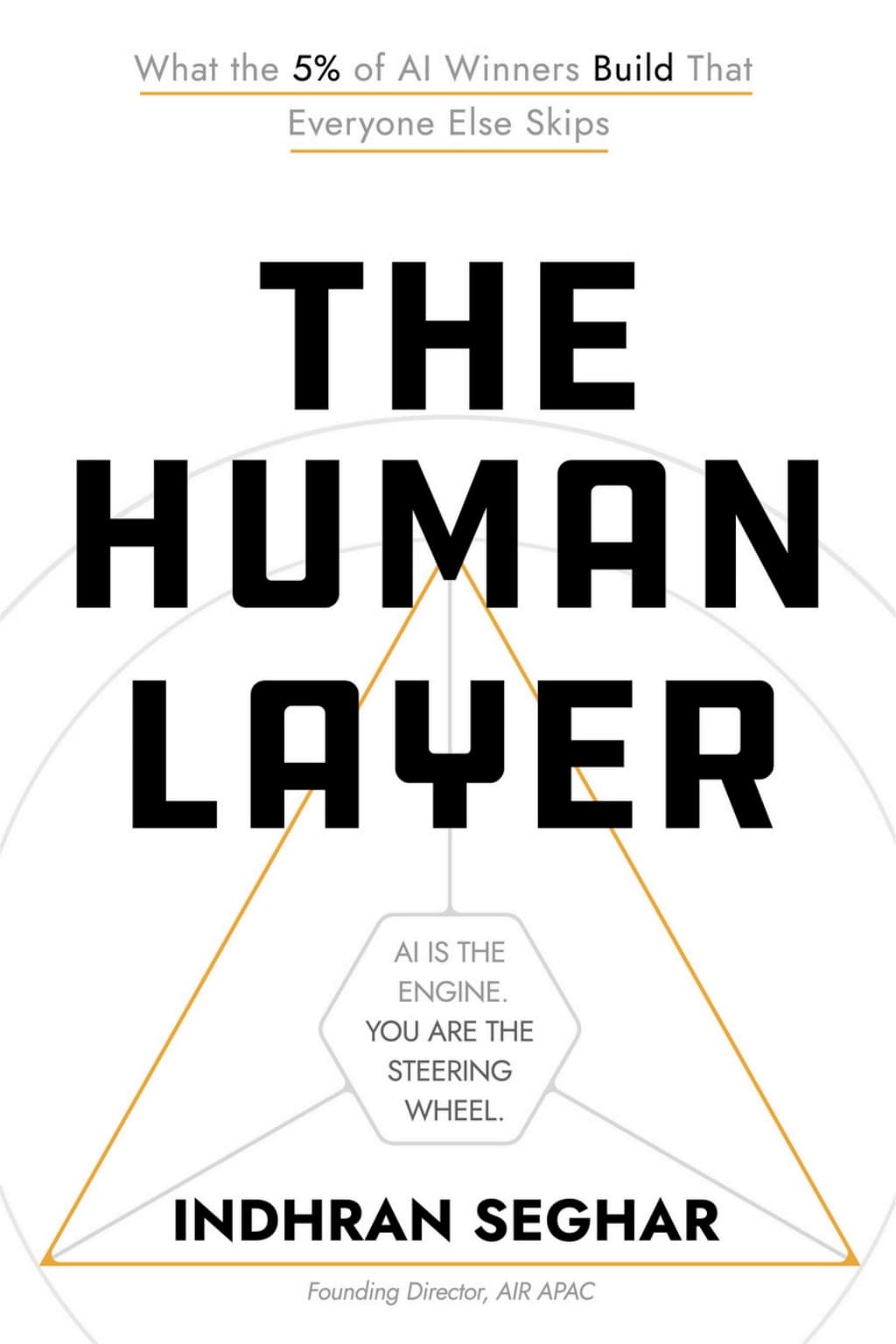
I wrote The Human Layer about what technology cannot fix.
I wrote The Human Layer about what makes an AI rollout work beyond the technology. Judgment matters, but so does the way people work together. AI does not repair an organisation. It speeds up what is already there. The book is written, at 416 pages, with publication to be announced. I’m writing my next book about deciding with AI.
The line I hold
I speak in my own name, with limits on the work I accept.
I offer keynotes, executive briefings, workshops and panels. I keep advisory within existing relationships.
I do not take an engagement with an organisation during one of AIR APAC’s open measurement periods.
How the three fit
AIR APAC, Exeter Labs and my own work
AIR APAC
The institution. Measures, publishes, trains. Owns the Standard.
Exeter Labs
The builder. Builds and operates the software for AIR APAC and other customers. StepSim, Tourism Room, Decision Room, AI Data.
Indhran Segharthis site
The author. Founded both. Writes and speaks in his own name.
I founded AIR APAC, which measures and trains. Exeter Labs, its product company, builds. Nothing on this site measures, scores or certifies anyone.
Career, in facts
My experience includes HSBC Global Resourcing and entomo.
- 25 yearsAdvisory and leadership across Asia Pacific, the UK, the US and Australia.Career record
- 2005 to 2008Service transformation for 33,000 front-line employees and 10 million customers.HSBC Global Resourcing
- 2018 to 2020Chief Marketing Officer. ARR grew from $4M to $25M+ within 12 months.entomo
- Age 29241 per cent sales growth, and dismissal within the year.Electrolux
Where I have spoken
My speaking record
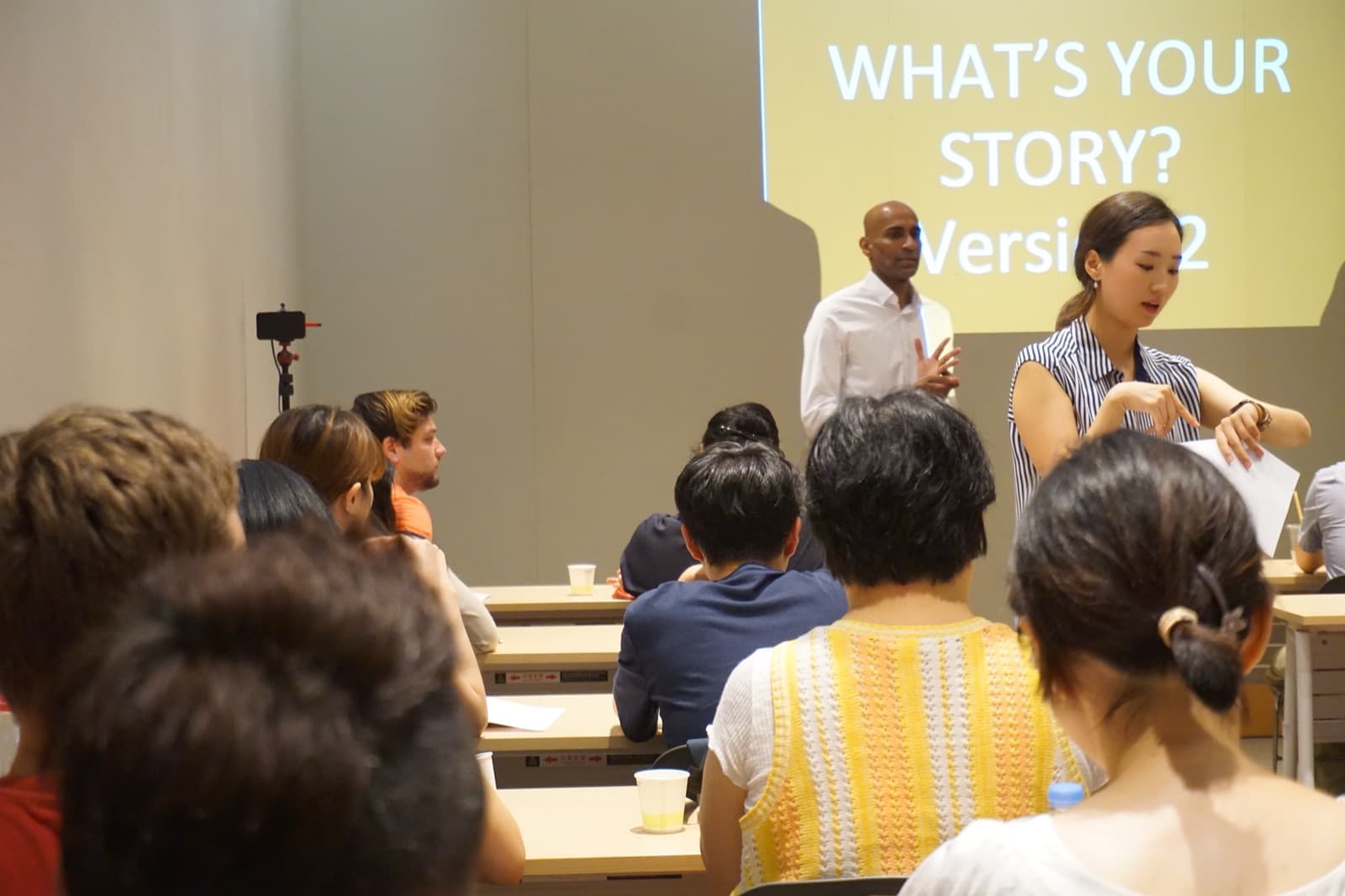
I’ve spoken at conferences and worked with smaller leadership groups.
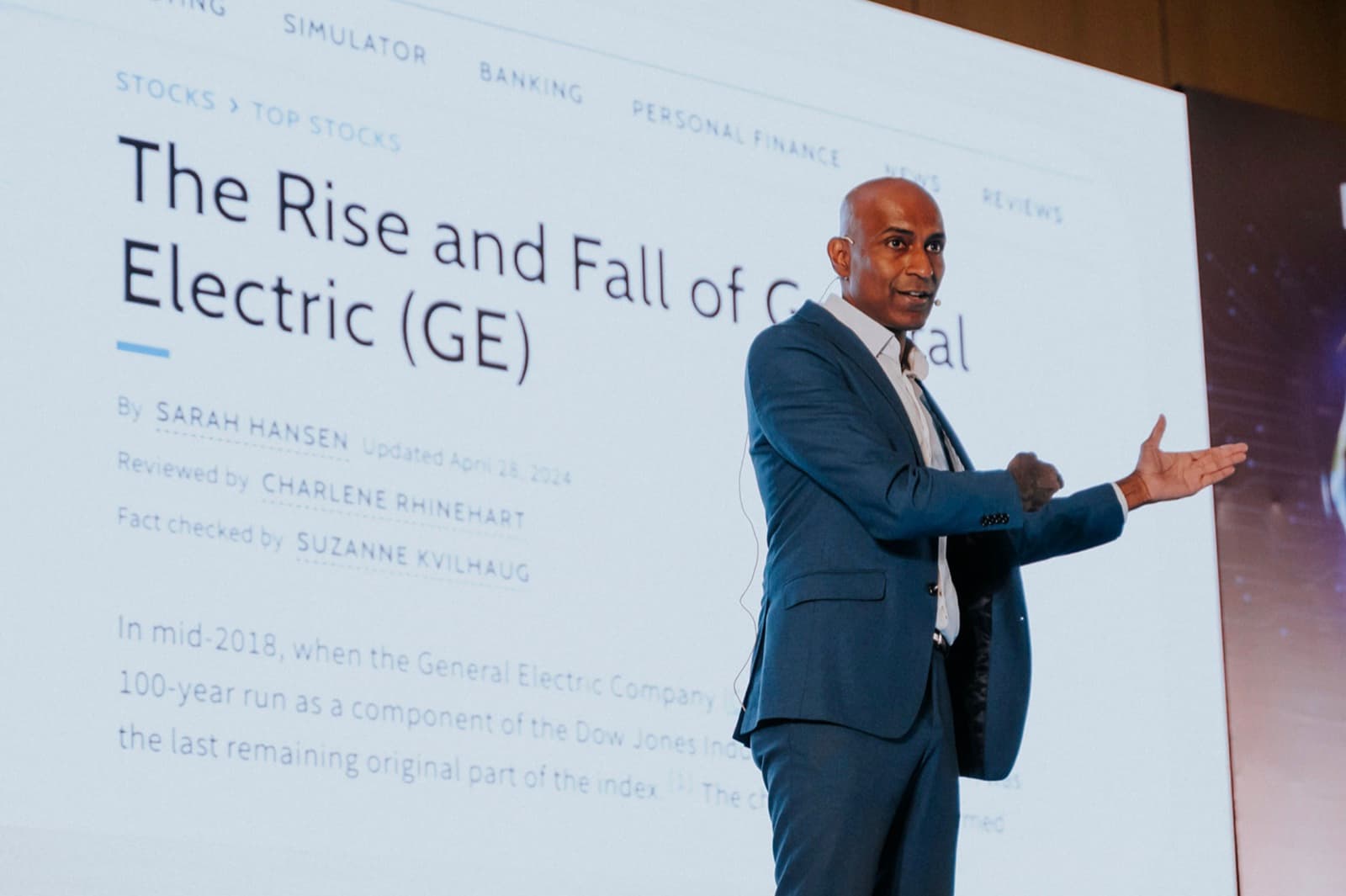
- 17 Sep 202610th TPO Forum, Taichung, TaiwanDelivered
Around 500 delegates from Asia Pacific city tourism organisations
- May 2026Tourism Promotion Organization, Session 2, Asia PacificDelivered
Around 20 officials from 11 member cities
- Mar 2023SEOCON, Jakarta, Jakarta, IndonesiaDelivered
Around 2,000 delegates
- EarlierGoogle Campus South Korea, SeoulDelivered
Founder and startup community
- EarlierPIKOM GBS Summit, MalaysiaDelivered
National technology industry association
- EarlierINSEAD Malaysia MBA, GenAI leadership sessions, MalaysiaDelivered
MBA cohort
- EarlierThe CEO Institute Australia, AustraliaDelivered
Facilitator
Where to go next
If judgment and AI belong on your programme, I’d like to hear about it.
Tell me who will be in the room and what you want them to understand differently.